A beautiful day.
A thoughtful plan.
For the big decisions, the little details, and the words you’ll remember. Plan a wedding that feels like the two of you.
Find your starting point
Before the details,
find your direction.
You don’t need to have it all figured out. Start with what matters, then take one useful step.
The step-by-step guideStart with the wedding you actually want
Before booking anything, set aside an evening to talk about how you want the day to feel. Choose three priorities together: perhaps a relaxed meal, a ceremony with personal meaning, and enough time to talk with everyone. These priorities become a useful filter each time a new idea appears. A celebration can be beautiful without including every tradition, and a smaller plan can still ask for thoughtful organization.
Write two short lists: what matters to both of you, and what you are comfortable leaving out. Talk about guest numbers, travel, family expectations, religious or cultural practices, and who will make final decisions. If relatives are contributing money, clarify whether that contribution comes with requests before treating it as part of the available budget. A calm conversation now is easier than a disagreement after deposits have been paid.
What are you planning?
Choose the chapter you need today.
Build a budget around complete quotes
Choose an amount you can commit without relying on uncertain gifts or future borrowing. Separate money already available from contributions that have only been discussed. Then list the full cost of the event, including ceremony arrangements, food, drinks, photography, clothing, flowers, transport, rentals, stationery, and cleanup. Add a line for costs that have not yet been confirmed so uncertainty stays visible.
Request itemized quotes. A venue rental might include tables but exclude linens, staffing, setup, or access the day before. A catering proposal might treat tax, service charges, and gratuities differently. Ask each provider what is included, what triggers an additional charge, and when the final guest count becomes binding. Compare the same scope rather than simply comparing the first number on each proposal.
Build a realistic wedding budget PEOPLE BEFORE PLACE
Let your guest list guide your venue
Draft your guest list before falling in love with a space. Record names rather than estimating households from memory, and discuss children, partners, and family expectations early. Your first draft can have an essential group and a separate optional group, but decide how invitations will be handled privately and consistently. Avoid telling people they are on a backup list.
Ask venues about the capacity of your actual layout. A room that accommodates a seated dinner may have less space once a dance floor, band, buffet, or accessible circulation route is added. Look at restrooms, walking distances, parking, stairs, quiet spaces, and the indoor alternative for an outdoor plan. A beautiful view does not solve a difficult arrival or a room that becomes crowded during service.
A planning timeline with room to breathe
A timeline works best as a sequence of dependencies, not a test of how early you started. You can adapt the same order to a long engagement or a shorter celebration. Secure the decisions that affect everything else before choosing details that depend on them. Availability, your location, and the type of event will shape the pace.
Early planning is for your spending limit, approximate guest count, venue, date, and the providers whose availability matters most to you. Once those are confirmed, develop the ceremony, food, photography plan, clothing, guest communication, and transport. Later stages are for checking quantities, collecting responses, refining the schedule, and assigning responsibilities.
Choose your direction
Priorities, budget, guest list, date, and venue.
Bring it together
Providers, ceremony, clothing, and guest information.
Make it clear
Responses, quantities, timings, and responsibilities.
Leave room for joy
Final confirmations, practical buffers, and a shared plan.
Good advice for the next step.

How to Build a Wedding Budget That Matches Your Plans
Create a wedding budget from real quotes, separate fixed and guest-based costs, track payments, and compare spending choices with a worked example.

How to Write Wedding Vows That Sound Like You
Write personal wedding vows with a clear structure, grounded promises, original examples, and a calm editing and rehearsal process.

Wedding Day Timeline Examples With Room to Breathe
Build a wedding day schedule around ceremony time, preparation, photographs, meals, transport, and realistic contingency buffers.

Make the ceremony sound like you
Start the ceremony conversation with your officiant. Ask which elements are required, which can be adapted, and how religious or cultural practices should be handled. Personal meaning does not require a long service. One thoughtfully chosen reading and a few clear promises can carry more weight than several additions selected because they look impressive online.
For personal vows, begin with an ordinary memory that shows what you value about your partner. Follow it with promises you can recognize in daily life. Agree on a rough length and tone together while keeping the final words private if you prefer. Read your draft aloud; sentences that look elegant on paper sometimes feel awkward when spoken. Leave out jokes that depend on embarrassing someone or explaining private history to the room.
Readings, blessings, and prayers deserve the same care. Confirm the exact text, its author or tradition, and whether it fits the setting. Ask your reader whether they are comfortable taking part, and give them a printed copy with pronunciation notes. A rehearsal can focus on the microphone, where to stand, and how to begin. You are creating a moment of connection, not an audition for flawless public speaking.
For a starting point on tone, explore QuotePrayers’ collection of forever-love sentiments. Use inspiration to find your own words, and check the original source before attributing a borrowed quotation.
Plan meaningful readingsMake room for the moments
that can’t be put on a checklist.
 THE GUEST EXPERIENCE
Small details, thoughtful hospitality
Personal touches work best when they help people feel included. A short note at each place setting, a menu that acknowledges family food traditions, or a comfortable place to sit between events can make a celebration feel generous. Choose details that fit the setting and can be delivered without creating a second job for the people attending.
Map the guest experience from arrival to departure. Offer water where people wait, clear information about outdoor surfaces, and a sensible route between ceremony and reception. If there is a long gap, explain it before guests arrive. Check whether transport arrangements cover the end of the evening as well as the beginning, and whether someone can help a guest leave early.
Ideas for smaller celebrationsAvoid the decisions that create extra work
Booking before you understand the full cost can turn a promising choice into a chain of compromises. Pause whenever a decision depends on an unanswered question. Ask for the missing information in writing and keep the reply with the contract. A friendly conversation is helpful, but it is easy for two people to remember it differently.
Taking on too many handmade projects is another common trap. Try one complete sample before committing to a large quantity. Count sourcing, assembly, transport, storage, and setup time alongside material costs. A project that looks inexpensive can become demanding when it needs attention during the week you are also confirming guest numbers and preparing clothing.
Does this decision make the day better for us or our guests, and who will make it happen?
Give the plan
a good handover.

Turn the final plan into a calm handover
Create one concise document with the schedule, addresses, provider contacts, and the names of people handling specific tasks. Include a version date so everyone knows which copy is current. Send each person only the information they need, and keep an offline copy available in case phone reception is poor.
Walk through the day with your venue or coordinator. Confirm who opens the space, where deliveries go, who moves ceremony items, and what happens if the weather plan changes. Agree on a decision time and an authorized decision maker for outdoor arrangements. Ask the photography and catering teams to review the same schedule so portraits and meal service do not compete for the same minutes.
Build your wedding day timelineA little more clarity.

How to Plan a Wedding, One Good Decision at a Time
A practical wedding planning process, from shared priorities and guest counts to comparing venues, booking vendors, and handing over the day.

Wedding Ceremony Order, From Arrival to Recessional
Build a wedding ceremony order that fits your beliefs, venue, and guests, with a flexible sample sequence and practical rehearsal notes.

Wedding Guest Etiquette for the Questions That Feel Awkward
Practical wedding guest etiquette for RSVPs, plus-ones, gifts, dress codes, photography, and thoughtful communication.
Wedding planning, made clearer.
What should we do first after getting engaged?
Talk about your priorities, a spending limit, and an approximate guest count before booking. Those decisions help you compare venues and choose a date that works for the kind of celebration you want.
Do we need a year to plan a wedding?
There is no single required planning period. A shorter engagement may call for flexible dates and a simpler scope. Work backward from provider deadlines and focus on decisions that other tasks depend on.
How can we keep the guest list manageable?
Agree on a consistent approach to partners, children, and family invitations before sending anything. Draft a named list and compare it with your budget and the capacity of your intended layout.
Can we write our own ceremony vows?
Ask your officiant which words are required and where personal promises may fit. Some traditions use a set form; others allow more flexibility. You can also exchange personal letters privately.
What belongs in a wedding day timeline?
Include preparation, travel, ceremony, portraits, food service, any speeches, and departure. Add setup and cleanup responsibilities for providers, plus buffers between activities that involve moving people.
Is a small wedding easier to organize?
A smaller guest list may simplify some tasks, but venue rules, paperwork, food service, and access still need attention. Use the smaller scale to create a comfortable experience rather than adding more activities.
Keep paperwork separate from inspiration
Wedding customs and legal marriage requirements are different subjects. A ceremony idea found online does not establish which documents, witnesses, appointments, or officiant qualifications apply where you will marry. Check the relevant local authority before making assumptions, especially if you live elsewhere or are planning a destination celebration.
USAGov explains the distinction between a marriage license and a marriage certificate and directs readers toward the appropriate records offices. Use that starting point to locate the authority responsible for your own wedding location. Record the official instructions, application timing, and who is responsible for returning any completed documents. Recheck the instructions close enough to the date to catch changes.
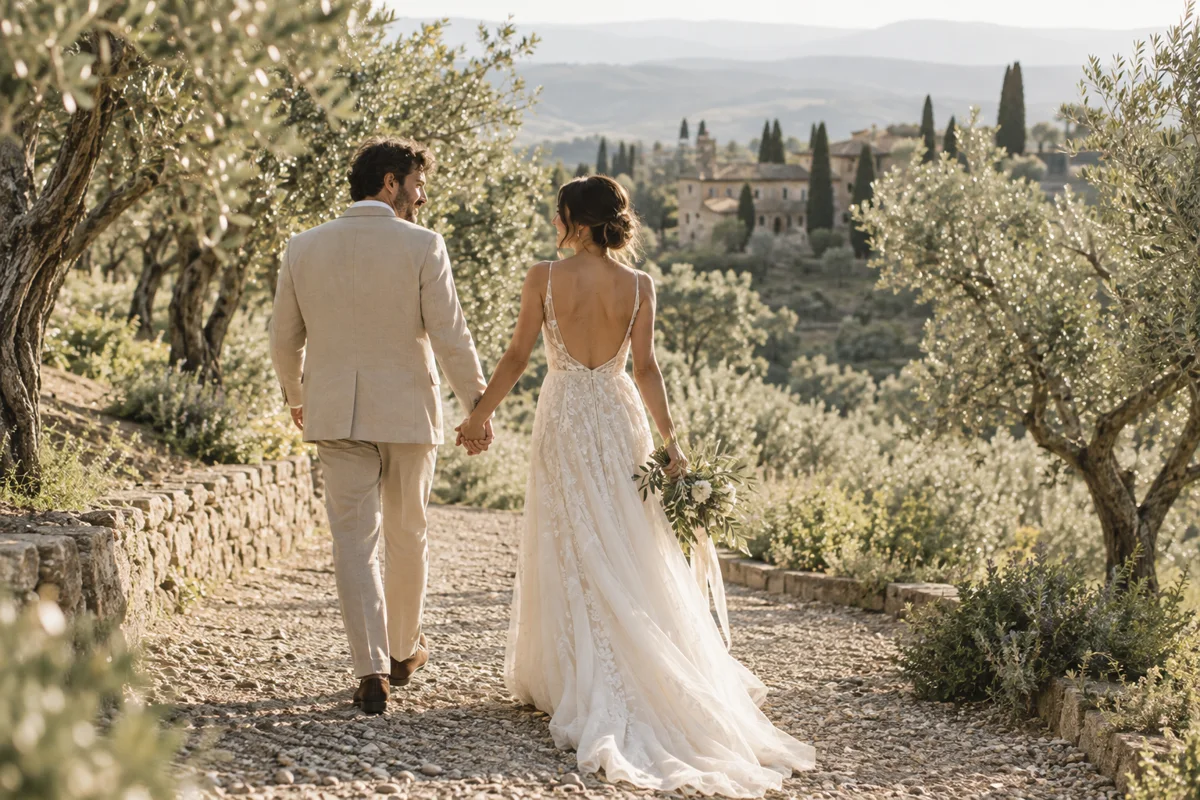
Our planning examples are suggestions, and the sample budgets and schedules are illustrations rather than market averages or rules. The images on this website are AI-generated editorial illustrations, not records of real weddings. Read our editorial policy for how this resource handles examples, sources, and corrections. For a question about an article, contact us with its page address and the detail you would like us to review.
Useful guidance.
Honest context.
We keep practical recommendations separate from legal requirements and label examples clearly. Our guides are general planning information, not a claim that one kind of wedding suits everyone.
We do not present generated images as real wedding coverage or claim interviews and experiences that did not take place.
Read our editorial policy