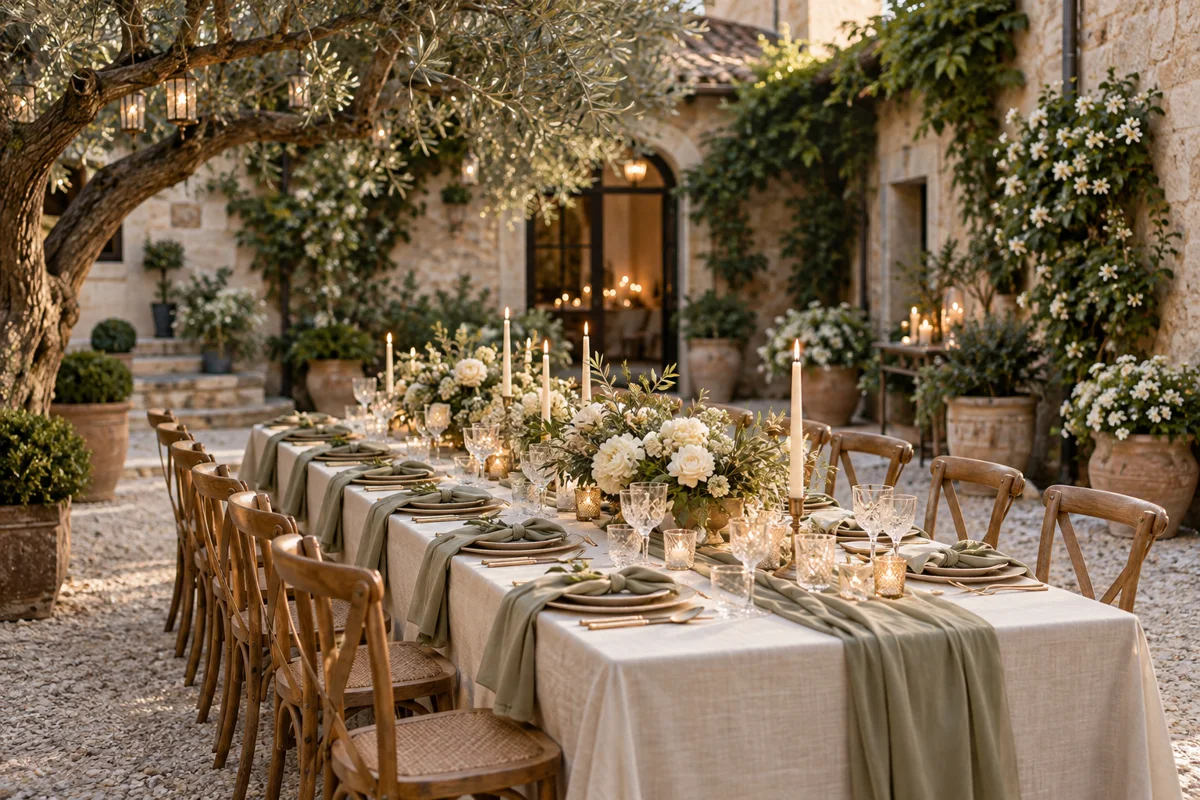
An intimate wedding works best when its size changes the experience: more time with each guest, a setting that fits your group, and details that reflect how you actually enjoy celebrating. A short guest list does not automatically make a wedding simple or inexpensive. It gives you different choices.
Start by describing the atmosphere you want in an ordinary sentence. “A relaxed ceremony followed by a long dinner with our closest people” is more useful than a folder of unrelated styling photographs. Use that sentence to decide what belongs in the plan.
Build the guest list around clear boundaries
Agree on a guest-list principle before discussing individual names. You might invite immediate family and a small circle of friends, or choose people both partners see regularly. There is no rule that every intimate wedding must include the same relationships. The useful part is having a boundary you can explain consistently.
Discuss partners, children, caregivers, and people whose attendance requires travel. A small list can still create complicated emotional decisions. Avoid using the word “intimate” as a promise that everyone will understand an exclusion. Tell anyone who reasonably expects an invitation directly and kindly rather than letting a social media announcement carry the message.
Choose a space that suits the group
A private dining room, courtyard, small inn, garden, or family home can offer a natural setting. Visit with the actual sequence of the day in mind. Where will guests arrive, wait, sit, eat, and use the restroom? A lovely room can still be difficult if furniture cannot move or the only entrance involves stairs.
Ask about minimum spending, staffing, rental periods, sound restrictions, and cleanup. At a private home, check local requirements and the property owner’s permission rather than assuming a small gathering needs no preparation. Toilets, electrical supply, parking, weather protection, and safe food service remain real needs. Keep a written list of what the setting provides and what you must bring.
Design the ceremony around connection
A smaller group can sit in a semicircle or short rows if the venue and ceremony tradition allow. Check that everyone can see and hear. A microphone can still help outdoors or in an echoing room, even with only a few guests. Comfort matters more than making the equipment invisible.
Invite one or two people to contribute a reading, musical piece, or brief blessing if they would enjoy it. Ask privately and give them an easy way to decline. You can also acknowledge absent loved ones with a short spoken line or a meaningful object. Keep remembrance choices sensitive to the people present, and agree on the wording together before the day.
Make the meal the centerpiece
For couples who love conversation, a generous dinner can replace a busy sequence of formal events. Choose a seating arrangement that supports conversation without blocking the servers. One long table may look beautiful, but several smaller tables can be easier for hearing, movement, and dietary service.
Discuss the pace with the caterer or restaurant. Leave enough time for courses and conversation, and decide where any toasts fit. Family-style dishes can feel sociable, but they need a plan for allergies and guests who cannot comfortably pass heavy platters. A plated meal, buffet, or restaurant menu can be equally personal when it fits the people attending.
Choose a few details guests will notice
Personal details work best when they have a clear role. A short note at each place setting gives guests something specific to keep. A favorite family dessert adds a story to the meal. A playlist built from songs connected to your relationship can shape the atmosphere without requiring a separate entertainment program.
Choose two or three details rather than assigning a handmade project to every surface. For example, a hypothetical twenty-person dinner might use seasonal flowers, individual welcome notes, and a shared dessert. It does not also need custom favors, an elaborate photo wall, printed menus, and matching welcome bags. Ask whether you would miss the detail if it disappeared.
Keep the budget grounded in actual quotes
A smaller guest count can reduce some food, beverage, and rental costs, but many services have minimum charges or fixed fees. Photography coverage, musicians, transport, and venue hire may not shrink in proportion to the list. Compare the total quote rather than assuming every supplier will offer a special small-wedding price.
Decide where the smaller scale creates value for you. You might choose a more personal meal, comfortable transport, a longer photography session, or simply lower spending. Treat each choice as a tradeoff. If a restaurant minimum covers more food than your guests need, ask about another date or room before adding extras solely to reach the figure.
Protect the relaxed feeling with a simple plan
Even an informal wedding needs someone to know what happens next. Write a one-page schedule with arrival, ceremony, meal, photographs, and the end of the gathering. Include supplier contact details and the person who can answer practical questions. Giving every guest unrestricted instructions can create more confusion than freedom.
Leave open time between the planned moments. You may want portraits with each household, a quiet walk together, or a leisurely coffee after dinner. Decide which moments need a photographer and which you can simply enjoy. Ask a coordinator, venue lead, or willing designated helper to handle deliveries and timing so neither partner spends the meal answering logistics questions.
Create a weather plan and a graceful ending
For an outdoor celebration, identify an indoor or covered alternative that genuinely fits the whole group. Decide who makes the weather call and when. Guests should know about footwear, temperature, transport, and any walking involved before they arrive. A small wedding is still more welcoming when people can prepare.
Close the evening in a way that fits its character: a final toast, dessert together, a favorite song, or an invitation to say goodbye over coffee. Publish a clear finishing time and transport plan. The aim is not to make a small wedding imitate a larger one. It is to give your chosen gathering enough care that everyone can be present.
How to Build a Wedding Budget That Matches Your Plans · Wedding Guest Etiquette for the Questions That Feel Awkward


